APIA Scholars Monthly Newsletter
"(Required)" indicates required fields

By Shaik Feroz and Angela Panganiban, Synchrony
/
Financial literacy is often seen as something objective or impersonal, but your cultural background and past life experiences can be big factors in shaping the role money plays in your life. In this month’s issue of Savvy Scholar$, we want to showcase how your culture and unique story can inform your preconceptions of your financial future through the stories shared by our two authors. But the past is not the only thing that defines your relationship with finances! Having an openness to new ideas and developing different saving habits can evolve your outlook on what financial literacy means to you.
I grew up in India, in a small rented house. My mom raised my sister and me by herself, on one salary. We didn’t go to movies much, eating at a restaurant was rare, and we never really went on vacations. It wasn’t a sad childhood, but it was a careful one.
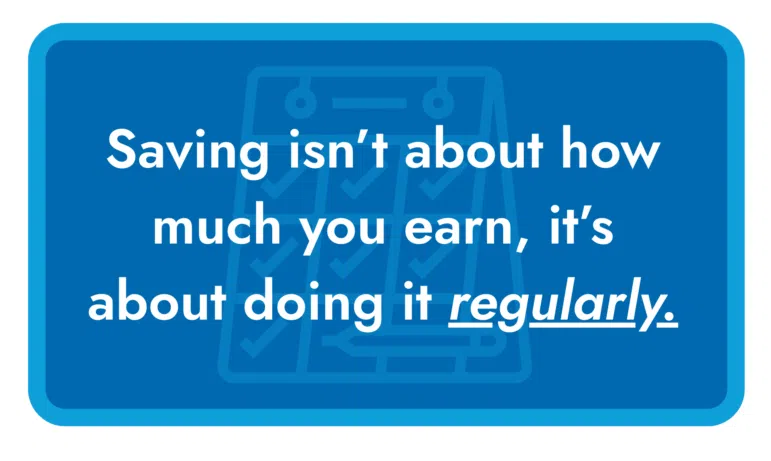
As a kid, I didn’t understand why my mom was so careful with money. Now I do. Even in the tightest months, she put a little aside. It was never much. But when something unexpected came up, that little bit was there, and we got through it. That taught me something I still use: saving isn’t about how much you earn. It’s about doing it regularly.
One thing I would change is that we never talked about money at home. It felt like a topic better left alone. I think that’s why I still feel a little guilty when I spend on myself, even when I can afford it.
These days, I try to keep a balance. I save something from every paycheck, even when it’s small. I also let myself enjoy things now and then, and I’m learning to talk about money more openly. It’s easier than I thought.
If you’re just starting out, you don’t need a big salary to begin. Start with whatever you can, and keep going. Over time, it adds up, and it gives you room to breathe when life surprises you.
I was born and raised in the Philippines where, at the time, cash was king. Even today, though the Philippines has seen a shift towards digital wallets, cash is still among the preferred payment methods. Credit cards, on the other hand, remain one of the least used tenders in the country, just as it had been when I was living there.
My parents had credit cards, but they rarely used them and equated them with debt, which was a big no-no. They were big on saving. Whatever debt they had (which was very few), they paid off as quickly as they could.
When I moved to the United States, I was introduced to the concept of “building credit.” I was quite literally starting from zero. The first credit card I applied for was at a retail jewelry store. I must have seemed suspicious because they could not find much on me, but I was thankfully approved albeit for a small amount and that’s when my path to building credit began.
I realized recently that my upbringing actually helped me build up my credit score. I attended a financial literacy session that shared tips on how to improve credit scores and it aligned well with the views my parents instilled in me about money:
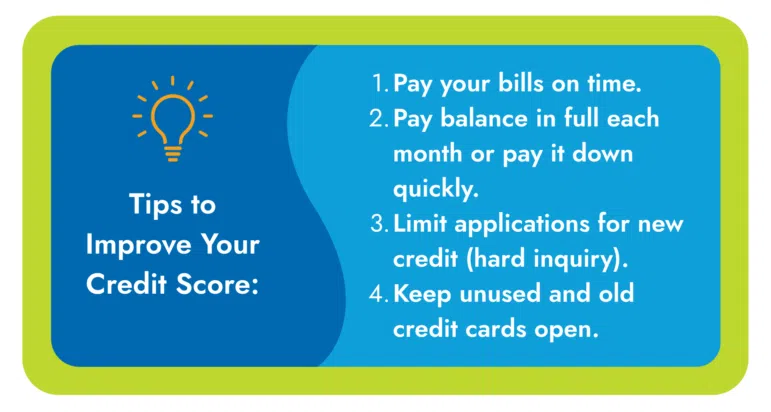
My “fear” of debt motivated me to pay my bills on time and ensure the balance is either paid off or down as soon as I could.
I was also wary about applying for multiple credit cards (again, that “fear” of debt), so I had a manageable number of cards to my name.
I initially had a tough time understanding why I couldn’t just close the credit cards I wasn’t using. I learned that it helped retain the length of history in my credit file, as well as raising my total credit line, which then reduced utilization. I’ve made my peace with keeping them open.
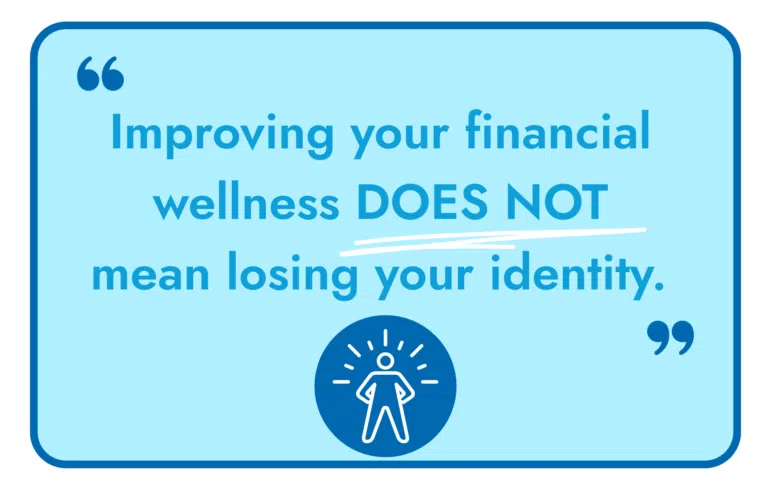
While your culture and upbringing shape much of your relationship with money, be open to learning new perspectives. Educate yourself and be clear about your own financial goals. Improving your financial wellness doesn’t mean losing your identity.
https://www.synchrony.com/blog/bank/how-credit-card-helps-credit
https://2c2p.com/articles/philippines-payment-methods/
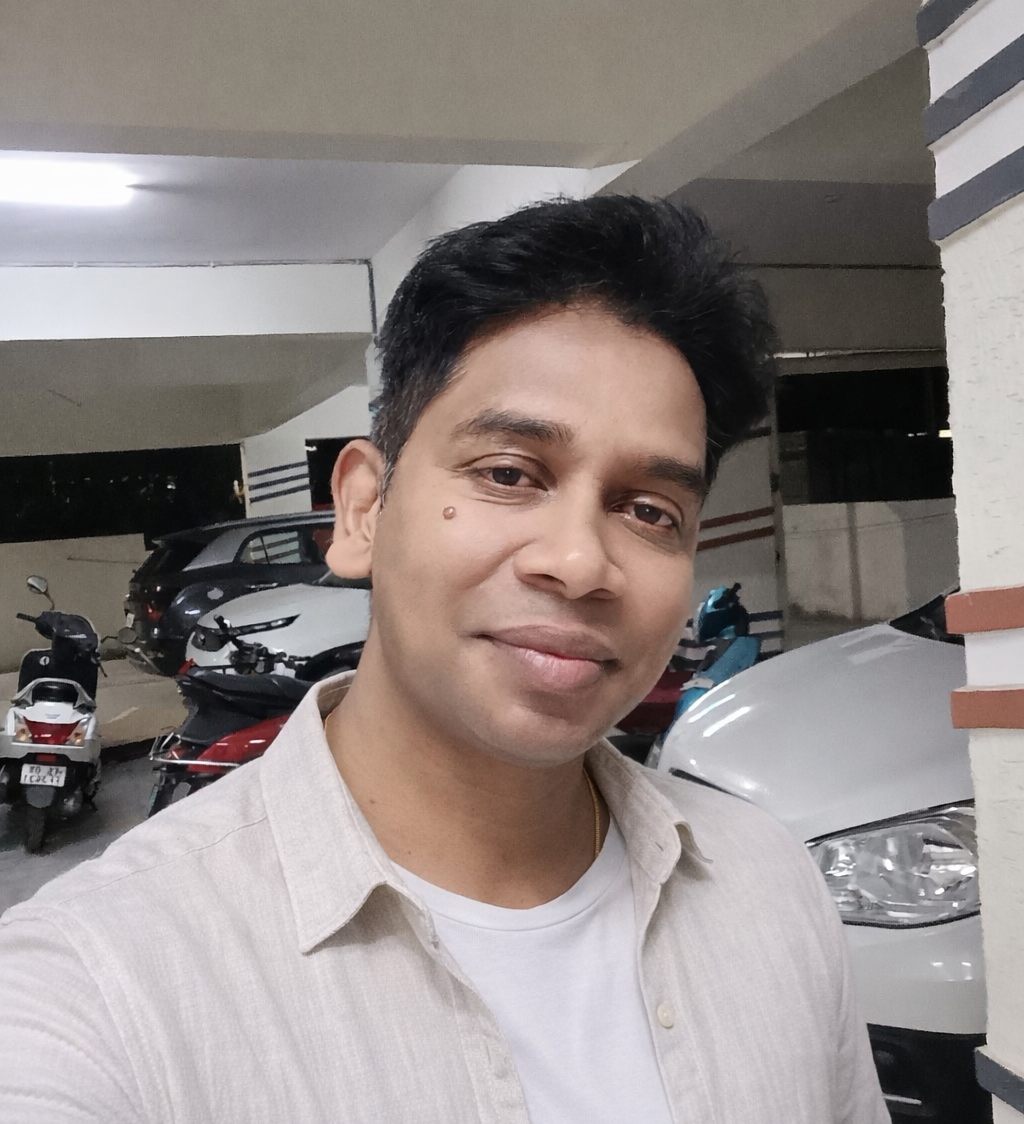
Shaik Feroz, Senior Representative, Collections, Synchrony
Shaik Feroz is a Senior Representative in Collections at Synchrony in Hyderabad, India, where he has worked since 2019. He manages high-volume customer calls, resolves billing and payment issues, handles a senior portfolio of delinquent accounts, and helps train new collection representatives. He has more than a decade of experience in customer service and technical support at companies including Synchrony, Tech Mahindra, HCL, and Sky in the UK. Shaik holds a Master’s in Mechanical Engineering from Glamorgan University and an MBA from the University of South Wales.
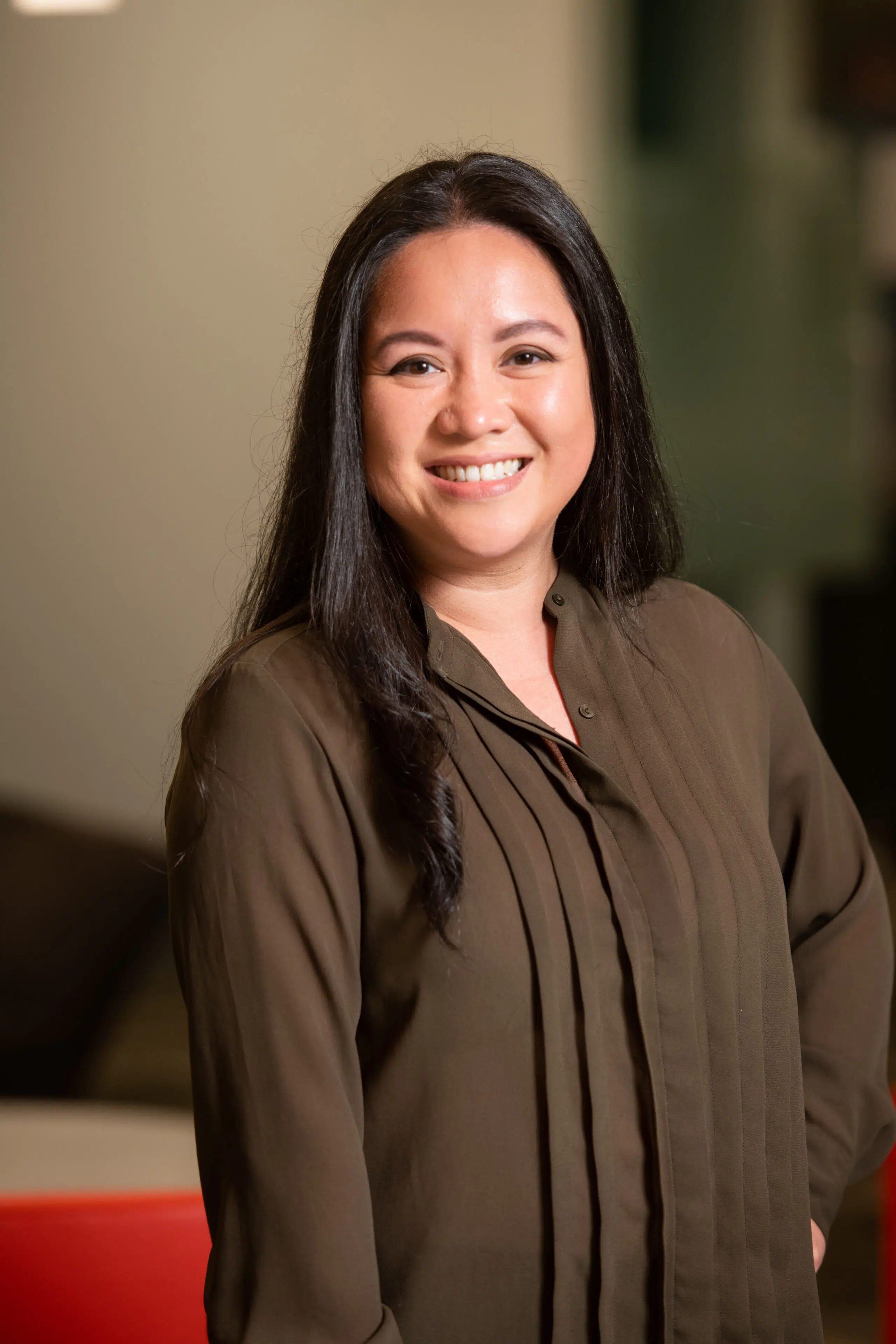
Angela Panganiban, AVP, Channel Growth, Synchrony
Angela is a marketing leader focused on growing one of Synchrony’s digital channels. She connects clients’ offers with consumers, creating value for both partners and shoppers. She brings more than a decade of marketing experience spanning communications, public relations, events, product marketing, and channel marketing. Born and raised in the Philippines, Angela holds a bachelor’s degree in Communications from Ateneo de Manila University and is pursuing her MBA.