APIA Scholars Monthly Newsletter
"(Required)" indicates required fields

By Mireya Sandoval and Brendan Williams, uAspire
/
Dear APIA Scholar,
Welcome to the launch of APIA Scholars’ new Savvy Scholar$ blog! Each month, you’ll find information and resources related to topics focused on building and expanding your financial literacy and acumen. This new resource was made with you in mind – in this blog you’ll find posts and articles that students like you will encounter, from topics on how to navigate college financial aid, to tips on saving and managing your money, and also ways prepare and invest for your future. Our Scholar Enrichment team will be carefully curating information and inviting guest authors to share content and knowledge with you every month, and it is our hope that at the end of this academic year you’ll confidently say that when it comes to finances, you’re now a Savvy Scholar!
We sincerely hope you find this resource valuable and encourage you to take time to read through the blog, add comments, and share these helpful posts with other scholars and students through this school year. We wish you all the best for a successful school year ahead!
Maraming Salamat (Thank you very much),
Matthew Rosales
Vice President of Scholar Success
APIA Scholars
Financial aid can make college more affordable, but understanding your financial aid package can sometimes be confusing. Colleges may present financial aid information in different formats and use terms that are unfamiliar or vary from one institution to another. Knowing what each type of aid means, what you may need to repay, and how your aid applies to your college costs can help you make informed financial decisions. Here are some answers to common questions.
What’s included in my financial aid package?
Your financial aid package shows the aid you’re eligible to receive for the academic year. It may include grants and scholarships, which generally don’t need to be repaid; student loans, which you borrow and repay with interest; and work-study, which you earn through an eligible job.
Do I have to accept all the loans I’m offered?
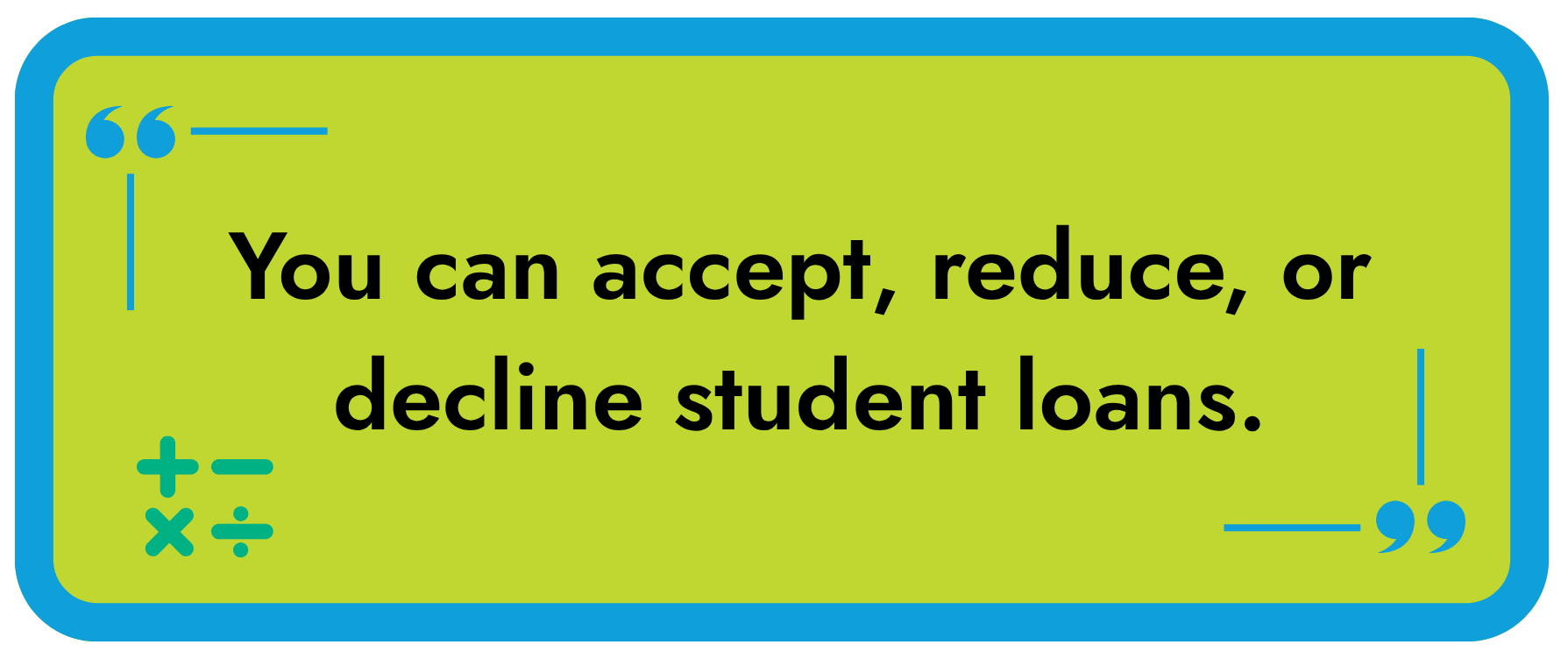
No. You can accept, reduce, or decline student loans. Before borrowing, consider what you’ll need to cover your college costs now and what repayment might look like in the future. If you need to borrow, consider Direct Subsidized Loans first because the government pays the interest while you’re enrolled at least half-time.
Why did my financial aid change from last year?
Financial aid can change each year. Changes to your income, assets, family size, enrollment, or eligibility for grants and scholarships can affect your aid.
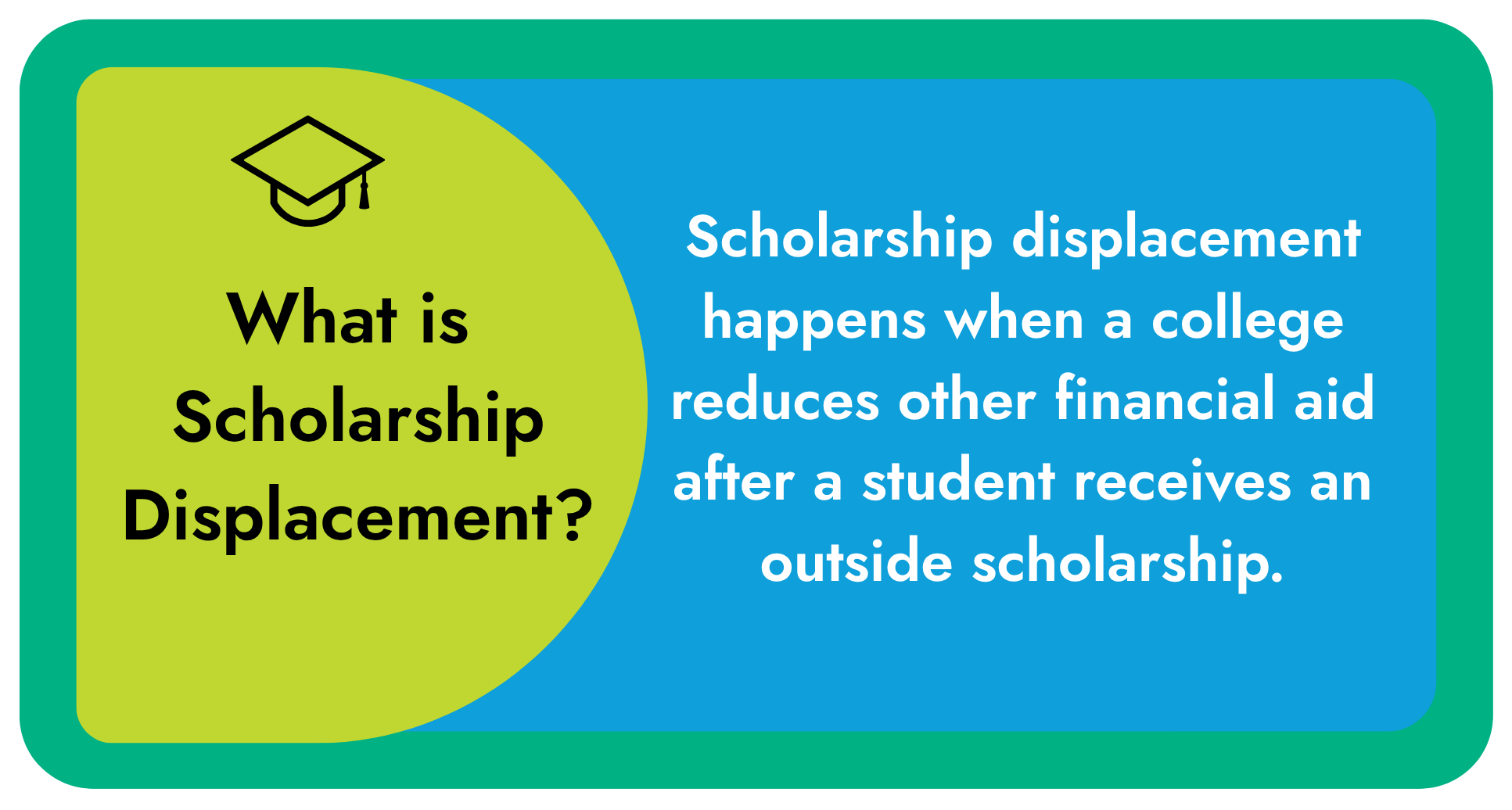
Outside scholarships can affect your package, too. Some colleges practice scholarship displacement, meaning they reduce other financial aid when you receive an outside scholarship. If this happens, ask whether the college can reduce loans or work-study before reducing grants or scholarships. You can also contact your scholarship provider to see if they can help.
If your financial circumstances have changed significantly since completing the FAFSA, contact your financial aid office. You may be able to request an adjustment based on your current circumstances.
Why did I receive a financial aid refund?
A financial aid refund may be issued when your financial aid is greater than what you owe your college for direct costs (tuition and fees and, when applicable, campus housing and meals).
A refund isn’t necessarily “extra money.” It may help cover education-related expenses like books, supplies, transportation, food, or off-campus housing. Before spending it, check to make sure you aren’t borrowing more than you need.
Have questions about your package or refund?
Your college’s financial aid office is the best place to start with questions about your specific offer. You can also turn to uAspire for free resources and guidance to help you understand your options, make sense of your aid, and plan for upcoming costs.
As you begin the fall semester, take time to review your financial aid, ask questions when something is unclear, and make sure you understand the aid you’re receiving and any next steps you need to take. You don’t have to figure it out alone!
Good luck with the start of your fall semester!
Interested in learning more about Financial Aid? Mark your calendars for November 3rd, 2026 for an API Scholars virtual workshop hosted in collaboration with our partners at uAspire. For more financial literacy and career development content, be sure to tune into our Fall 2026 Career & Financial Capital virtual workshop series and be on the lookout for next month’s Savvy Scholar$ blog entry!


Mireya Sandoval, Senior Director of Strategic Initiatives and Partnerships, uAspire
Mireya builds relationships with external stakeholders and leads consultative engagements that result in customized recommendations for systems change. She brings more than a decade of cross-sector experience in training, partnership management, work-based learning, and college student support. Previously, Mireya served as uAspire’s Senior Manager of Training and Technical Assistance, where she managed national training partnerships and delivered support centered on students’ needs and experiences. Before joining uAspire, she was a Senior Program Manager at Jobs for the Future. She has also held roles at El Paso Community College and YouthBuild Global. As a first-generation college graduate, Mireya brings both professional expertise and lived experience to her work advancing more equitable and accessible pathways to education and career opportunities. She holds a bachelor’s degree in psychology from the University of Texas at El Paso.

Brendan Williams, Vice President of Knowledge, uAspire
Brendan is one of uAspire’s financial aid experts, driving thought leadership to ensure uAspire shares its latest research, innovations, and student-centered practices with the field. Brendan also works with external partners to strengthen their college access and success practices, promote systems change, and reduce barriers for students and families. Over his tenure at uAspire, he has worked as a financial aid advisor, working directly with students in the Boston public schools, and as an external trainer, training practitioners at organizations nationwide. Previously, Brendan was a tutor at City on a Hill Charter Schools. Brendan received his Master of Science in Public Affairs from UMASS Boston and his BA in economics and psychology from SUNY Binghamton.